


-

Add: HeBei ShengShi HongBang Cellulose Technology CO.,LTD.
-

Email
13180486930@163.com -

CONTACT US
+86 13180486930


Understanding Polyolefin Fibers Properties, Applications, and Advantages Polyolefin fibers, derived from polyolefin resins, have become an integral part of various industries, ranging from textiles to automotive and construction. Polyolefins, primarily polyethylene (PE) and polypropylene (PP), are polymers characterized by their versatility, lightweight nature, and resistance to chemicals and moisture. This article delves into the properties, applications, and benefits of polyolefin fibers. Properties of Polyolefin Fibers Polyolefin fibers exhibit a range of properties that make them suitable for different applications. One of their most notable characteristics is their resistance to moisture and chemicals. Unlike natural fibers, polyolefin fibers do not absorb water, making them ideal for use in damp environments. This resistance also contributes to their longevity, as they are less prone to mildew and deterioration. Another significant property is their lightweight nature. Compared to other synthetic fibers, polyolefin fibers are less dense, which offers convenience and ease of handling, especially in textile applications. Furthermore, these fibers have excellent thermal stability, remaining effective across a broad temperature range. Their low melting point, however, requires careful handling during processing and manufacturing. Polyolefin fibers are also renowned for their tensile strength and flexibility. These attributes not only enhance their durability but also allow for a variety of weaving and knitting techniques, leading to diverse fabric textures and styles. Additionally, they exhibit colorfastness, which means that dyes and pigments adhere well to the fibers without fading over time—a crucial factor for textile manufacturers. Applications of Polyolefin Fibers The versatility of polyolefin fibers has led to their widespread adoption across various industries. In the textile sector, polyolefin fibers are commonly used to produce non-woven fabrics, geotextiles, and various clothing items. Their moisture-wicking properties make them particularly popular in activewear and athletic apparel, where breathability and comfort are paramount. fibre de polyoléfine In the automotive industry, polyolefin fibers are utilized in interior components such as seating, carpeting, and insulation. Their lightweight nature contributes to overall fuel efficiency, aligning with industry trends toward sustainability. Additionally, the fibers impart excellent sound insulation properties, leading to a quieter ride for passengers. Polyolefin fibers are also gaining traction in the construction sector. Their resistance to moisture and chemicals makes them ideal for applications in roofing, insulation, and protective coverings. Furthermore, the fibers can be incorporated into concrete to improve its tensile strength, durability, and resistance to cracking. Advantages of Polyolefin Fibers The advantages of using polyolefin fibers are numerous and compelling. First and foremost, they offer excellent cost-effectiveness. As one of the most produced synthetic fibers globally, polyolefins are readily available and can be manufactured at a lower cost compared to other materials. Additionally, the sustainability aspect of polyolefin fibers is gaining attention. While traditional plastics pose environmental concerns, the recycling and reuse potential of polyolefins can mitigate some of these issues. Many polyolefin products are now being designed with recyclability in mind, contributing to a more circular economy. Another significant advantage is the low maintenance required for polyolefin-based products. Fabrics made from these fibers are easy to clean, resistant to stains, and retain their original properties even after multiple washes. This reduces the need for harsh cleaning products, further supporting environmental sustainability. In conclusion, polyolefin fibers present a wealth of benefits that cater to various industries, from textiles to automotive and construction. Their unique properties, such as chemical and moisture resistance, lightweight nature, and long-term durability, make them an attractive option for manufacturers looking to innovate and optimize their products. As sustainability continues to gain importance in material selection, the role of polyolefin fibers is likely to expand, paving the way for more eco-friendly and efficient solutions in the future.
- 40000tons

Production
- 20+years

Experience
- 5000+㎡

Acreage

-
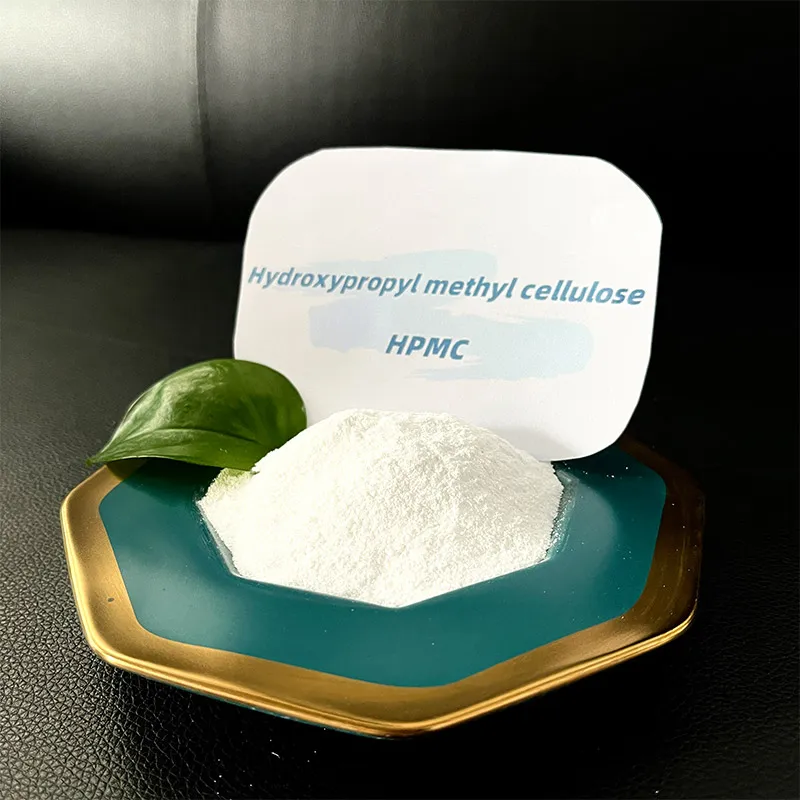
Exploring HPMC E15 A Versatile Excipient in Pharmaceutical Applications Hydroxypropyl Methylcellulose (HPMC) is widely acknowledged in the pharmaceutical industry for its multifunctional properties. Among its various grades, HPMC E15 has gained prominence due to its unique characteristics, making it an essential excipient in various dosage forms. This article delves into the composition, characteristics, applications, and advantages of HPMC E15 in pharmaceutical formulations. Composition and Characteristics HPMC is a semi-synthetic polymer derived from cellulose, a natural polymer found in plant cell walls. The E15 designation refers specifically to a grade with a viscosity of 15,000 centipoise when dissolved in water. This viscosity is conducive for many applications, as it provides a balanced option between solubility and gel-forming ability. HPMC E15 exhibits several critical characteristics, such as high thermal stability, excellent compatibility with a variety of active pharmaceutical ingredients (APIs), and non-ionic nature. This non-ionic behavior makes it an attractive choice for formulations where ionic interactions may affect the stability or solubility of components. Furthermore, HPMC E15 is soluble in cold and hot water, allowing for flexibility in formulation processes. Applications in Pharmaceutical Formulations HPMC E15 plays a multifaceted role in various pharmaceutical applications. One of its primary uses is as a film-forming agent in sustained-release formulations. Due to its gel-forming properties upon contact with moisture, it can control the release profile of APIs, thereby ensuring a prolonged therapeutic effect. This is especially beneficial in developing dosage forms for chronic conditions that require steady medication levels. Moreover, HPMC E15 serves as a thickening agent and stabilizer in suspensions and emulsions. It enhances the viscosity of formulations, preventing sedimentation of solid particles and enabling uniform dispersion. This is particularly crucial for ensuring consistent dosages in liquid formulations. By improving the stability of suspensions, HPMC E15 contributes significantly to the overall efficacy and safety of the product. hpmc e15 In tablet formulations, HPMC E15 functions as a binder and a disintegrant. Its hydrophilic nature allows it to absorb water readily, facilitating the disintegration of tablets upon ingestion. This characteristic is vital for fast-dissolving tablets, where rapid release and absorption are desired. Additionally, HPMC E15 is employed in ocular formulations, as its viscosity and bioadhesive properties help prolong the contact time of the drug with the eye's surface. This is particularly beneficial in treating dry eye syndrome and other ocular conditions, ensuring that the medication remains in contact with the target site for an extended period. Advantages of HPMC E15 The utilization of HPMC E15 in pharmaceutical formulations offers several advantages. Firstly, its wide-ranging solubility makes it suitable for a variety of formulations, catering to the diverse needs of patients. Secondly, its biodegradable nature aligns with the growing demand for sustainable excipients in pharmaceutical manufacturing. Furthermore, HPMC E15 is generally regarded as a safe compound, with minimal toxicity associated with its use. This safety profile encourages its adoption in various pharmaceutical applications, ranging from over-the-counter medications to prescription drugs. Lastly, HPMC E15 allows for enhanced patient compliance. The formulations utilizing HPMC tend to exhibit improved mouthfeel and taste masking properties, which contribute to a better overall experience for patients. Conclusion HPMC E15 stands out as a versatile excipient in the pharmaceutical industry, demonstrating significant benefits across various applications. Its unique properties and advantages make it an essential component in the development of effective, safe, and patient-friendly formulations. As the pharmaceutical landscape continues to evolve, the importance of reliable excipients like HPMC E15 will remain paramount, ensuring that patients receive optimal therapies tailored to their specific health needs. The ongoing research and development of HPMC E15 promise to unveil new potentials, driving innovation in pharmaceutical formulations for years to come.
-
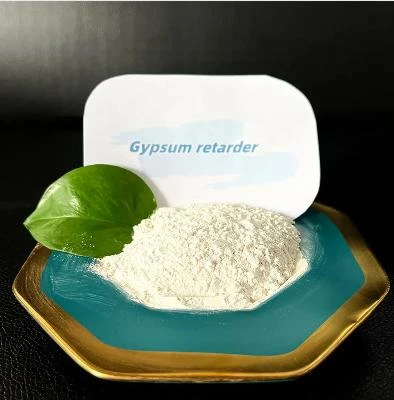
Plaster Retarder & Gypsum Retarder: Industry Trends, Technical Specification, Comparison & Application Insights In the evolving construction chemicals sector, plaster retarder — encompassing gypsum retarder , gypsum plaster retarder , and related chemicals — has become an indispensable additive for modern gypsum-based materials. This in-depth guide explores the core technology, manufacturing process, real-world applications, data-driven performance analysis, and value-driven supplier comparison to help technical buyers and users make informed decisions. 1. Industry Trends: The Rise of Plaster Retarder Solutions According to Markets and Markets [1] , the global construction chemicals market is projected to surpass USD 70 billion by 2026, with plaster retarder as a key segment driven by demand for quality and efficiency. Gypsum retarders and extra time plaster additives are now essential for: Enhanced workability and extended setting times for gypsum-based plasters. Compatibility with mechanized spray applications and automated processes. Reduction of cracking and shrinkage, improving durability. Figure: Global market growth of construction retarders (2017-2026, in USD Billion) . 2. What is Plaster Retarder? Technical Definition & Composition Plaster retarder is a specialty chemical additive—typically organic acids, proteins, or modified starches—designed to delay the setting reaction of gypsum/gypsum plaster (calcium sulfate hemihydrate to dihydrate transition). It enables customized setting time, optimal spreadability, and surface finish. Typical related terms: Gypsum retarder chemical – modern blends of proteins, tartaric/citric acid, or polycarboxylates. Gypsum plaster retarder – tailored for hand or machine application. Extra time plaster additive – formulated for large area jobs, medical plasters, or hot climates. 3. Manufacturing Process: From Raw Material to Advanced Plaster Retarder The quality of plaster retarder is highly dependent on raw material purity, process control, and adherence to international standards (e.g., ISO 9001:2015 , EN 13279 ). Select High-Purity Raw Materials Precise Weighing & Blending Controlled Reactor Synthesis Drying / Spray Drying (ISO-monitored) Sieving & Particle Sizing Quality Control (EN/ISO) Packaging (Moisture-Proof) Key process notes: Raw materials are often chosen according to ANSI/ASTM C472 or ISO 14021 guidelines. After synthesis, batch testing is performed to guarantee setting profiles and impurity control. Manufacturers like BHPM utilize CNC automated mixing to ensure reproducibility and uniform particle morphology for fast solution dispersion and minimal dust. 4. Technical Specification & Parameters: Plaster Retarder vs. Competitors Product Setting Time (min: initial/final) Dosage (%) Solubility pH (1% sol) Chloride Free Lead/Heavy Metals Standards Met BHPM Gypsum Retarder 35-95 / 110-180 0.03–0.15 Instant 6.0-8.0 Yes <0.001% EN 13279, ISO 9001 Protein-Based Retarder (A) 30-80 / 100-170 0.07–0.25 Partial 4.5-7.5 Yes <0.002% EN 13279 Starch Derivative (B) 25-75 / 90-160 0.10–0.20 Moderate 5.0-7.0 Yes <0.002% EN 13279 Citric Acid Solution (C) 18-50 / 60-95 0.15–0.35 Full 2.5-5.0 Yes <0.002% ASTM C472 BHPM Gypsum Retarder demonstrates a superior balance of high activity, low dosage, excellent solubility, and compliance with both EN 13279 and ISO 9001 standards, ensuring consistent performance and international acceptance. Figure: Product setting time and dosage comparison for plaster retarder and substitutes. 5. Technical & Application Advantages Technical Edge **Extra time plaster additive** for hot climate or complex workflow jobsites. Uniform controlled setting for mechanized plastering or 3D prefab. Eco-friendly, formaldehyde-free , chloride-free for LEED or BREEAM projects. High stability: up to 12 months shelf life when properly sealed. Application Benefits Reduces structural shrinkage cracks by ~40% (tested, ISO 679:2009). Allows for larger batch mixing and improved labor productivity. Enhances surface smoothness, adhesion, and machine finish. Improves compatibility with additives (HPMC, water retention agents, wetting agents). Figure: Market share of various plaster retarder technologies (2024, % by category). 6. Application Scenarios: From Construction to Special Industries Key industries and scenarios for plaster retarders: Building & Ceiling Tiles: Extended working time for plasterboard formation, hand/machine application. Decorative Moldings: Complex gypsum crafts, sculptures needing precise setting control. Pipe/Lining/Industrial Fixing: Large-scale installations benefit from delayed set. Medical Field: Plaster bandages and orthopedic casts with safety-tested retarders. Oil & Gas, Metallurgy: Pipe wrap and insulation using customizable retarder profiles. Renovation/Fast-Track Construction: Guarantees on-time finish without stress cracks in fast-paced projects. Case Study: Large Hotel Project (2023, Malaysia) The use of BHPM Gypsum Retarder supported a 20% reduction in labor cost and virtually eliminated setting failures during high humidity season. Client feedback indicated a more consistent finish and improved surface hardness 10 days after application. 7. Manufacturer Comparison It's vital to select a plaster retarder supplier with proven ISO, EN certifications, and robust R&D. See below for a brief comparison: Manufacturer Retarder Type Standards Years in Business Technical Service/Customization Main Markets BHPM Protein-polymer blended ISO 9001, EN 13279 17 Yes (lab, on-site, OEM) Asia, EU, MEA Vicat France Protein EN 13279 20+ Basic EU, Africa KNAUF Polycarboxylate ASTM C472 16 Yes EU, Americas Domestic Brand C Starch None 6 No SEA, Local 8. Customized Solutions & Order Process BHPM Gypsum Retarder offers engineering support for tailored setting times (25–180 min), color adjustments, and packaging (3kg/25kg moisture-proof bags). Each project is reviewed with a technical form to match the best retarder dosage, mixing, and compatibility with other admixtures. OEM and bulk supply services are available. Delivery cycle: Standard orders: 3–7 working days. Custom formulas: 7–14 days. Express global logistics/sea/air options available. Warranty & Service: All shipments include batch test certificates. Unopened products guaranteed for 12 months. Dedicated technical after-sales hotline provides project support within 24 hours. Cooperating Groups: Skanska, China State Construction Engineering, local hospital chains, regional hardware distributors. 9. FAQ: Advanced Plaster Retarder Questions Q1: What is the standard setting time achieved with BHPM gypsum retarder? A: BHPM's plaster retarder can tailor initial setting from 35–95 minutes and final set up to 180 min, based on admixture percentage and ambient conditions, tested per EN 13279/ASTM C472. Q2: What materials are used — is it synthetic or natural? A: BHPM uses food-grade protein-polymers and non-toxic organics, certified under ISO 9001. No hazardous chloro-, formaldehyde, or heavy metal components. Q3: Which industries most benefit from extra time plaster additive? A: Construction (drywall, molding), oil/gas (pipe lagging), medical (plaster bandages), and repair projects with large surfaces or hot climates benefit most. Q4: How is compatibility with other gypsum admixtures ensured? A: Cohesive formula design minimizes interference, and batch samples are tested with HPMC, PVA, methyl cellulose blends for no adverse reactions. Q5: Do you supply technical documentation? A: Yes, each delivery includes a Certificate of Analysis, MSDS, and full TDS. Custom test reports are available on request. Q6: What are the recommended storage and transportation conditions? A: Keep sealed in a dry, cool place (ambient <35°C, RH <60%). Trick moisture triggers gelling. Product is non-hazardous for land/sea/air transport. Q7: What certifications and quality guarantees do you offer? A: BHPM Gypsum Retarder is manufactured under ISO 9001, EN 13279, and tested for EU REACH compliance. Guaranteed 12-month shelf life, performance-monitored by independent labs. 10. Conclusion & References Plaster retarder technology is now integral to the global gypsum industry, offering extended workability, crack prevention, and tailored project performance. Choosing advanced, certified, and well-supported products such as plaster retarder from established manufacturers ensures maximum construction reliability and efficiency. Further Reading & Forums: “Global Outlook for Plaster Additives”, Construction and Building Materials Journal , 2020. “Discussion on Setting Regulators for Gypsum” ( Structurae Engineering Forums ), 2023. “Advances in Gypsum Retarder Chemistry”, ResearchGate Publications , 2021.
advantages
-

200000 Viscosities
Excellent product
We can produce pure products up to 200,000 viscosities
-

40000 tons
High yield
We don’t stop production all year round, and the annual output can reach 40,000 tons
-

24 hours
Quality service
We provide 24-hours online reception service, welcome to consult at any time
———— Inquiry Form
Schedule A services

-
 chlorinated_rubber_powder
Oct . 25, 2025
Understanding Methyl Cellulose and Its Pricing Dynamics Methyl cellulose, a water-soluble polymer de -
 hpmc_chemical
Oct . 25, 2025
Hydroxypropyl methylcellulose (HPMC), particularly the K100LV grade, is an essential polymer frequen -
 fibre_de_polypropylene
Oct . 25, 2025
The Importance of Wood Cellulose in Modern Applications Wood cellulose, an organic compound derived


